Design
research
RESEARCH
DESIGN
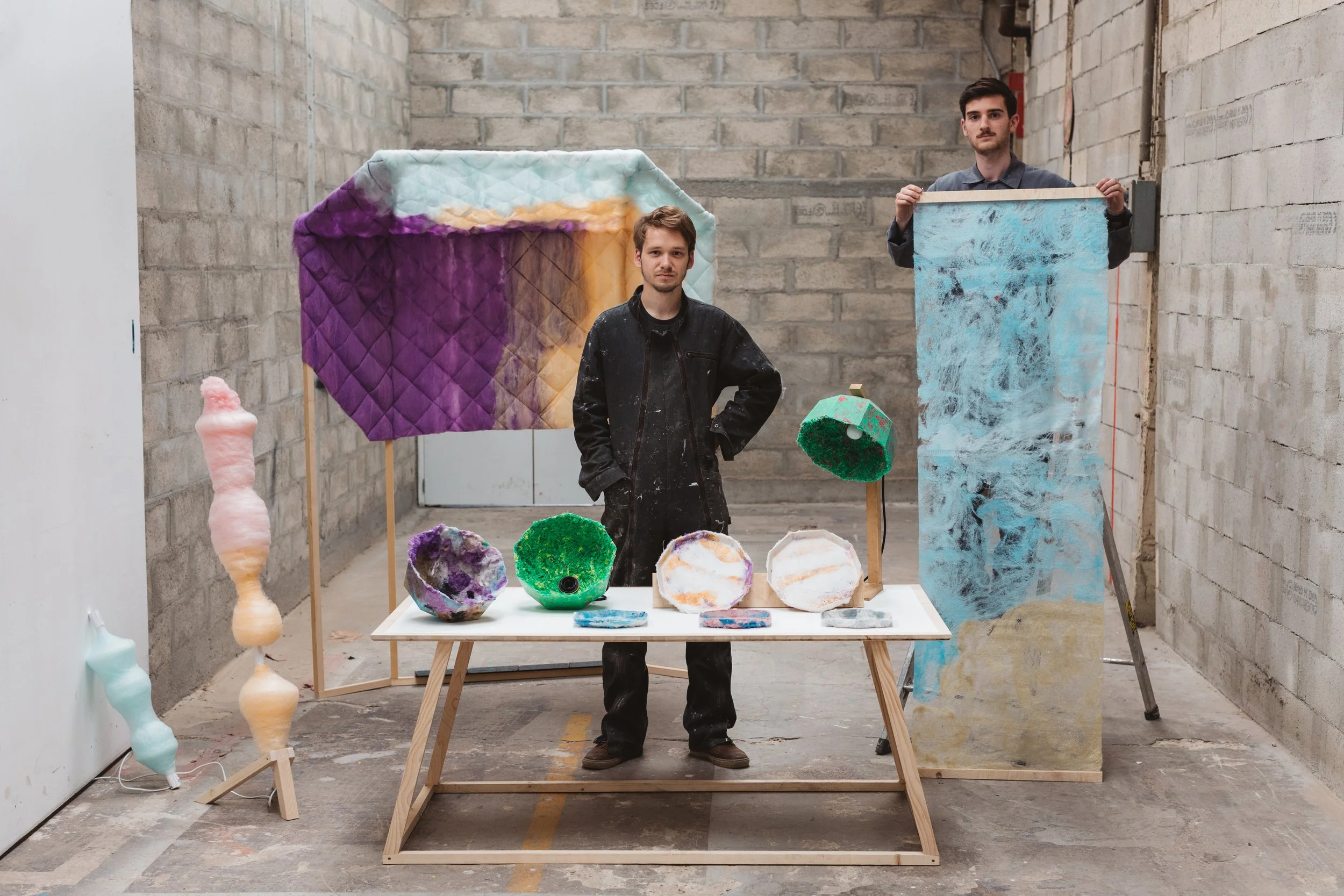
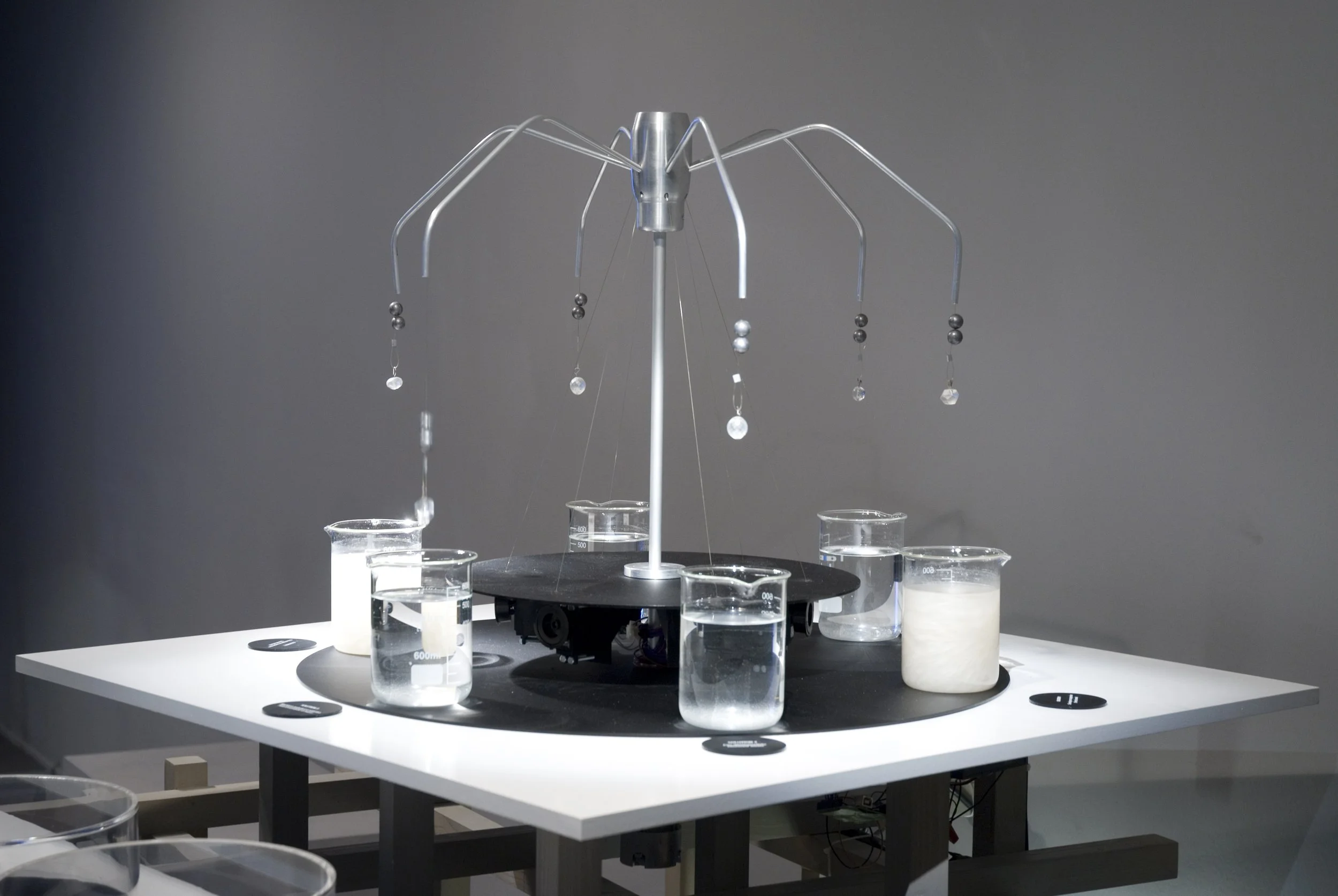
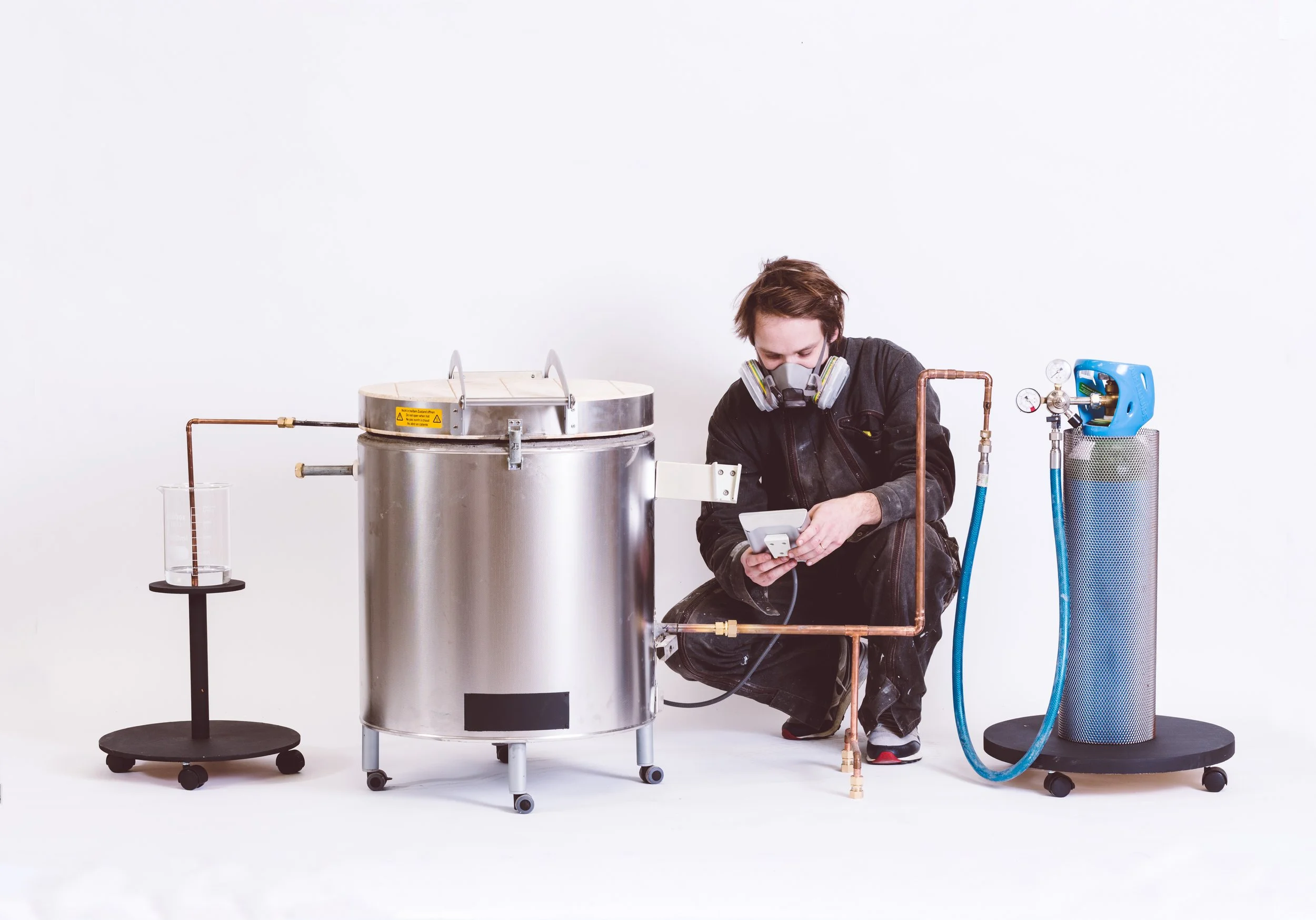
Emile De Visscher explores the relations between technology and society at the age of the ecological crisis. The current industrial production model, characterized by concentration, extractivism, deterritorialization and consumerism, has to be radically questioned. Through a practice-based design research, Emile De Visscher develops new materials, processes and narratives to suggest, test and share alternative production models.
-
Talking about ecological transition is not enough. Through imagining, making and testing radically novel technologies, design research can learn and elaborate on the constraints and potentials of alternative futures.
-
Questioning technological futures can’t be answered solely by engineers, as production is first and foremost a societal and cultural issue. Design research brings together knowledge, experts and mediums from the natural sciences, social sciences, arts and design, as well as engineering and entrepreneurship.
-
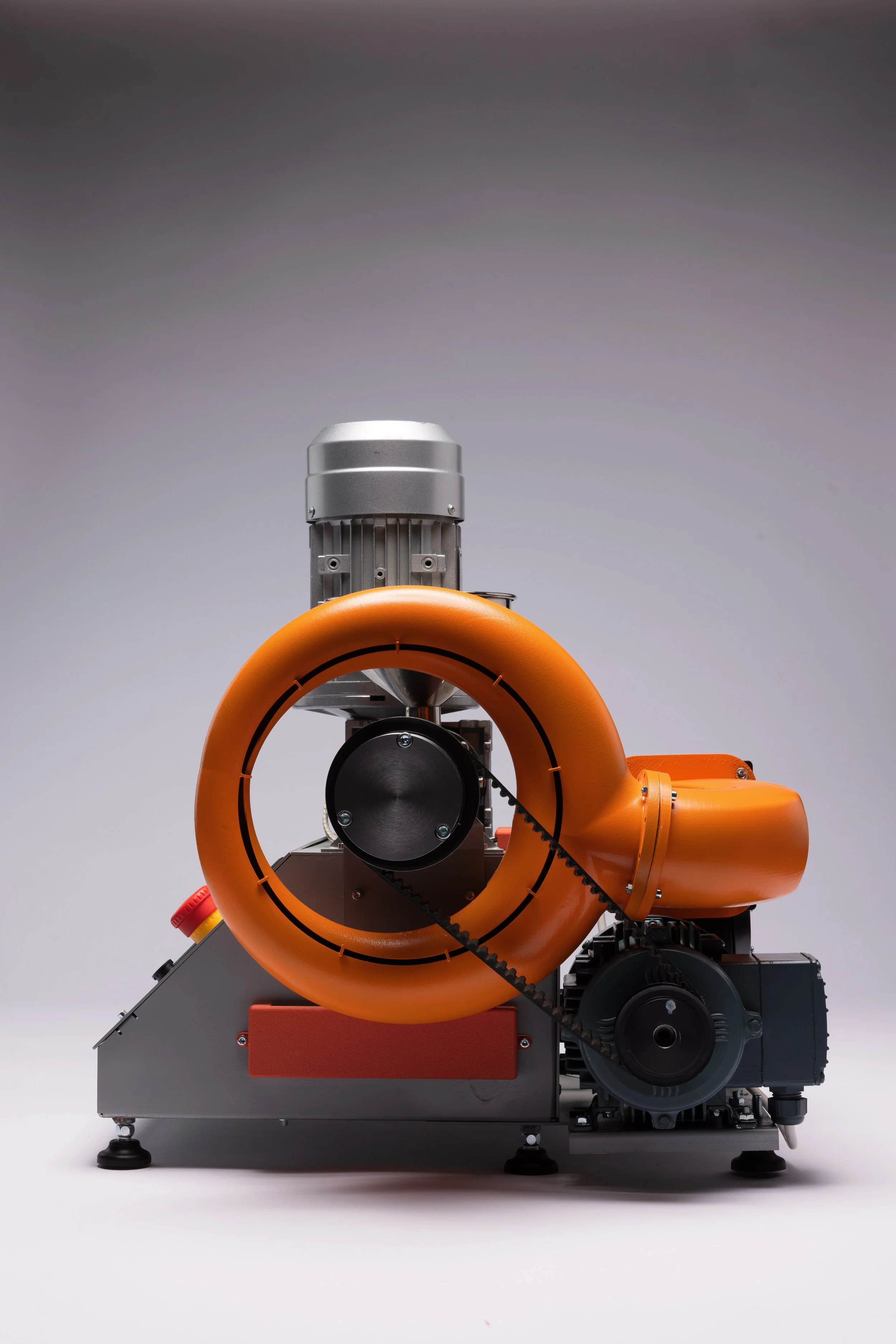
Each practical project is considered a method of investigation of the opportunities, constraints and barriers to change towards a more resilient technological future. Analysing and sharing the methods, results and findings of these investigations is key to discuss and build alternative futures.
PROJECTS
design for ecological transitions
Emile De Visscher is Junior Professor and leads the “Design for Ecological Transitions” Research Chair at Ecole Normale Supérieure Paris Saclay, founding member of Université Paris Saclay, the most recognized University of continental Europe. He is part of the Centre de Recherche en Design lab, founded by ENS Paris Saclay and ENSCI-Les Ateliers, as well as associate member of Sciences Arts Création Recherche lab at PSL University, Paris, and Matters of Activity Excellence Cluster at Humboldt University, Berlin.
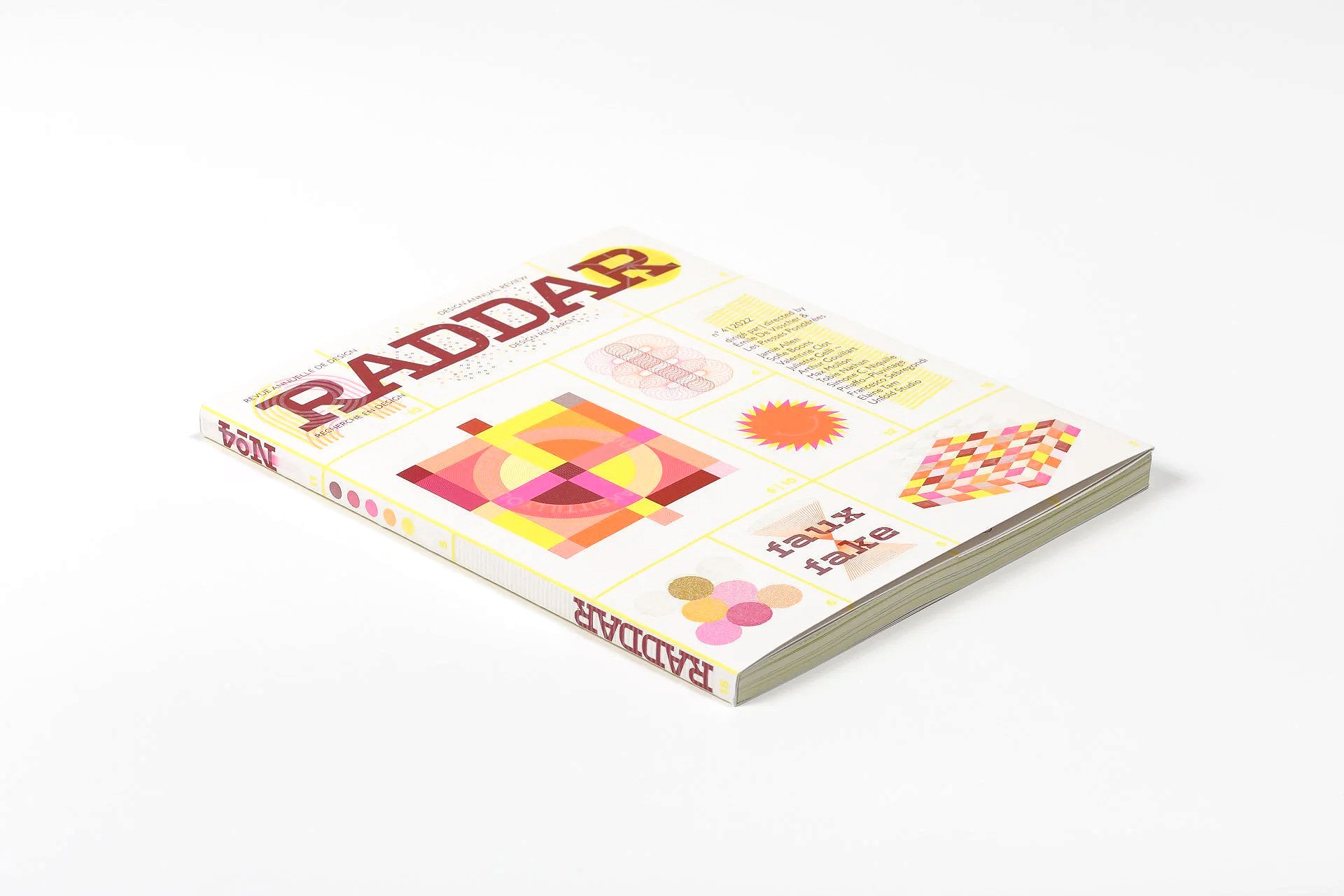
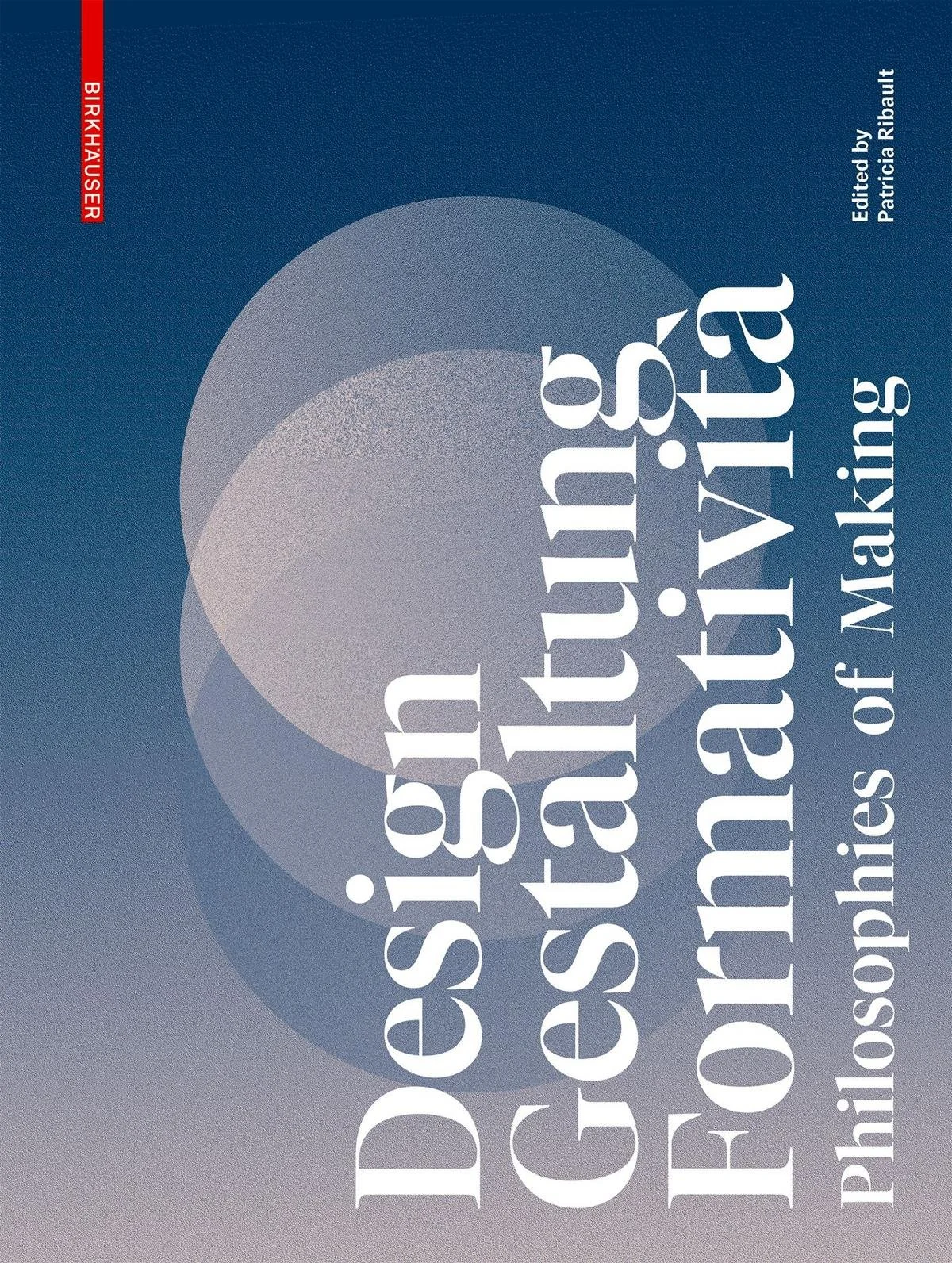
PUBLICATIONS
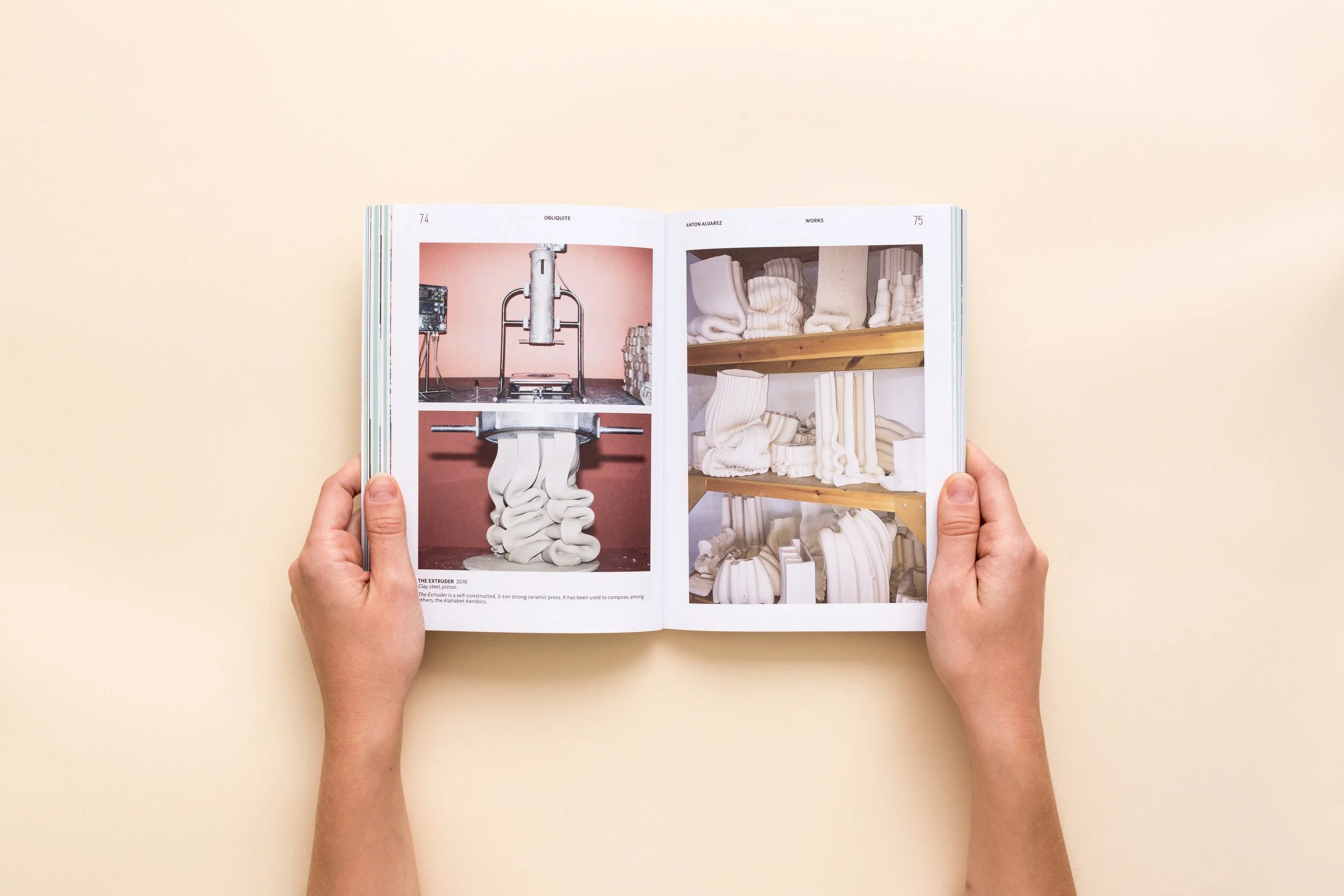
The aim of the technologies, techniques and materials developed are not to stay in the lab, but rather to meet necessities, issues and opportunities of the field. Through collaborations with NGOs, research laboratory or associations, field implementation and research has been key to assess and implement possible changes.
Grounding research in the real world
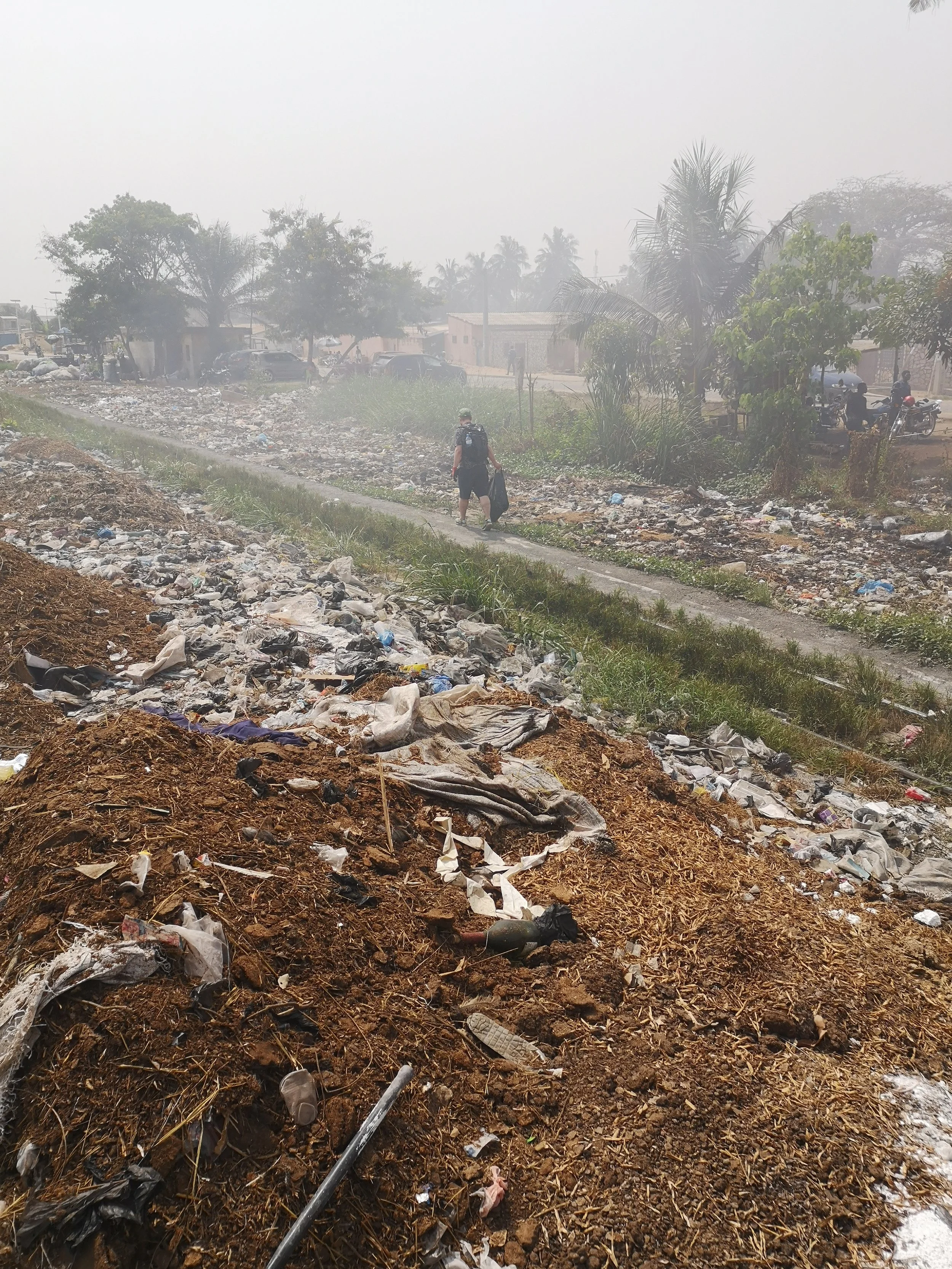
FIELD WORK
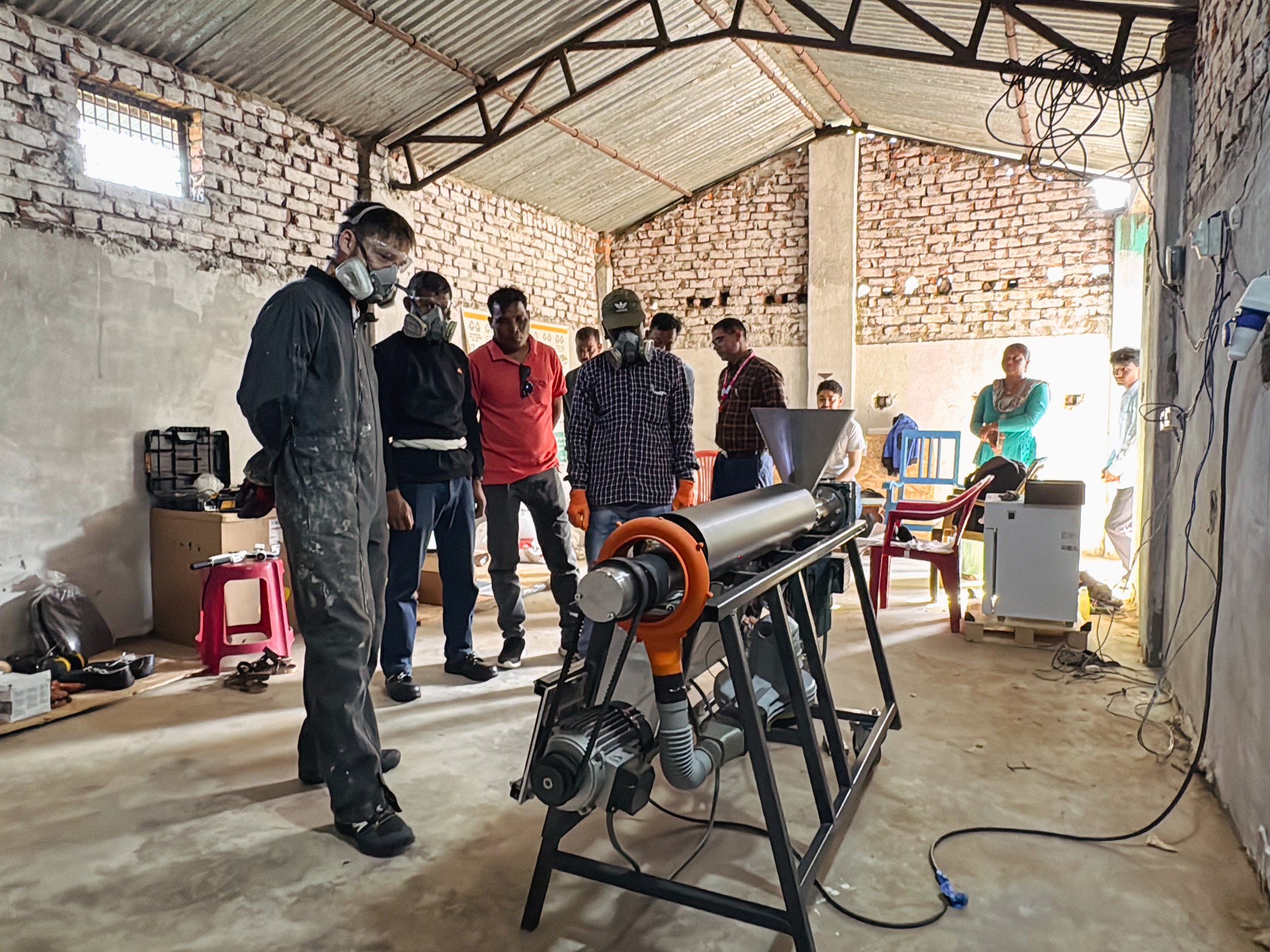
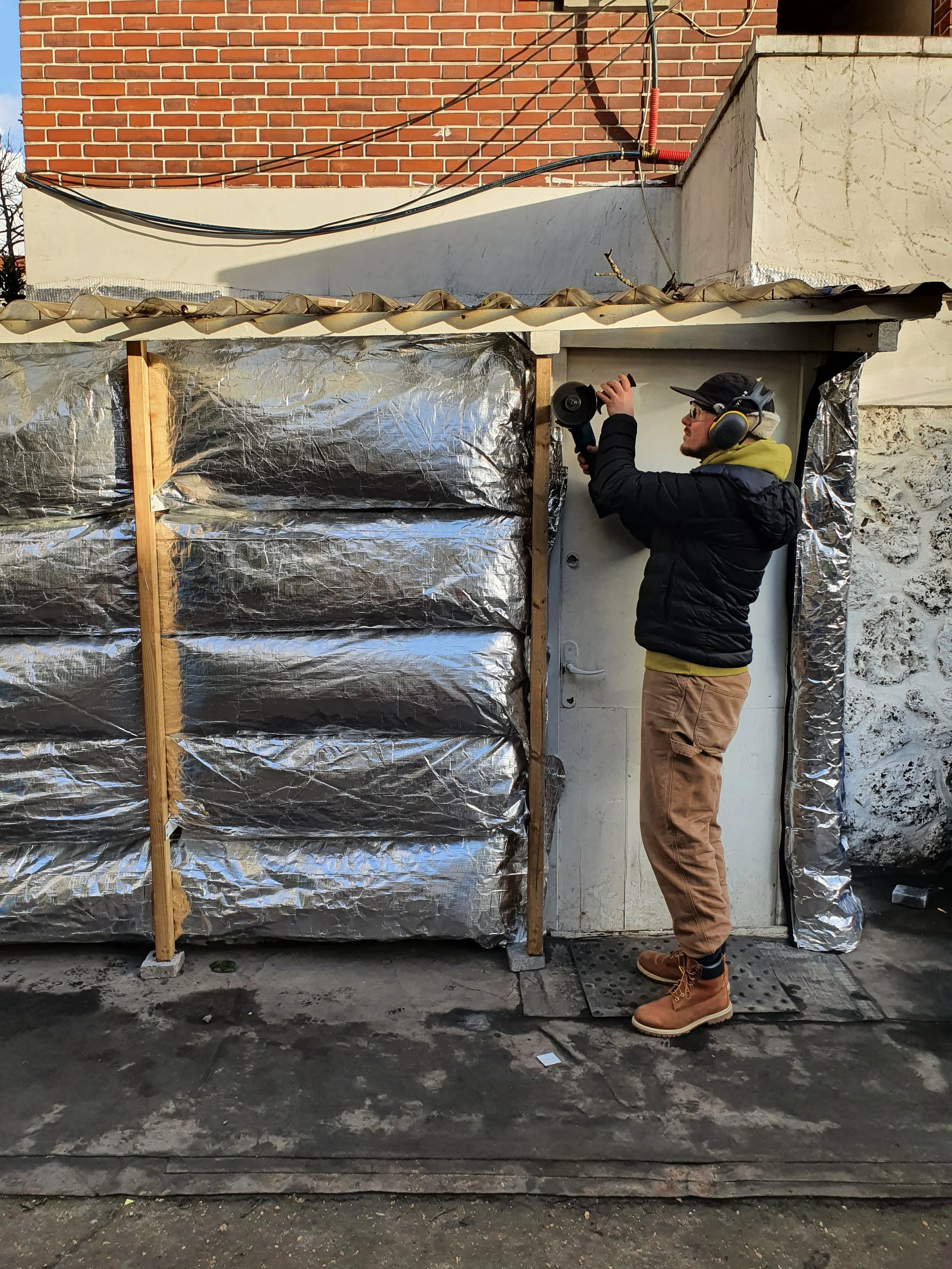
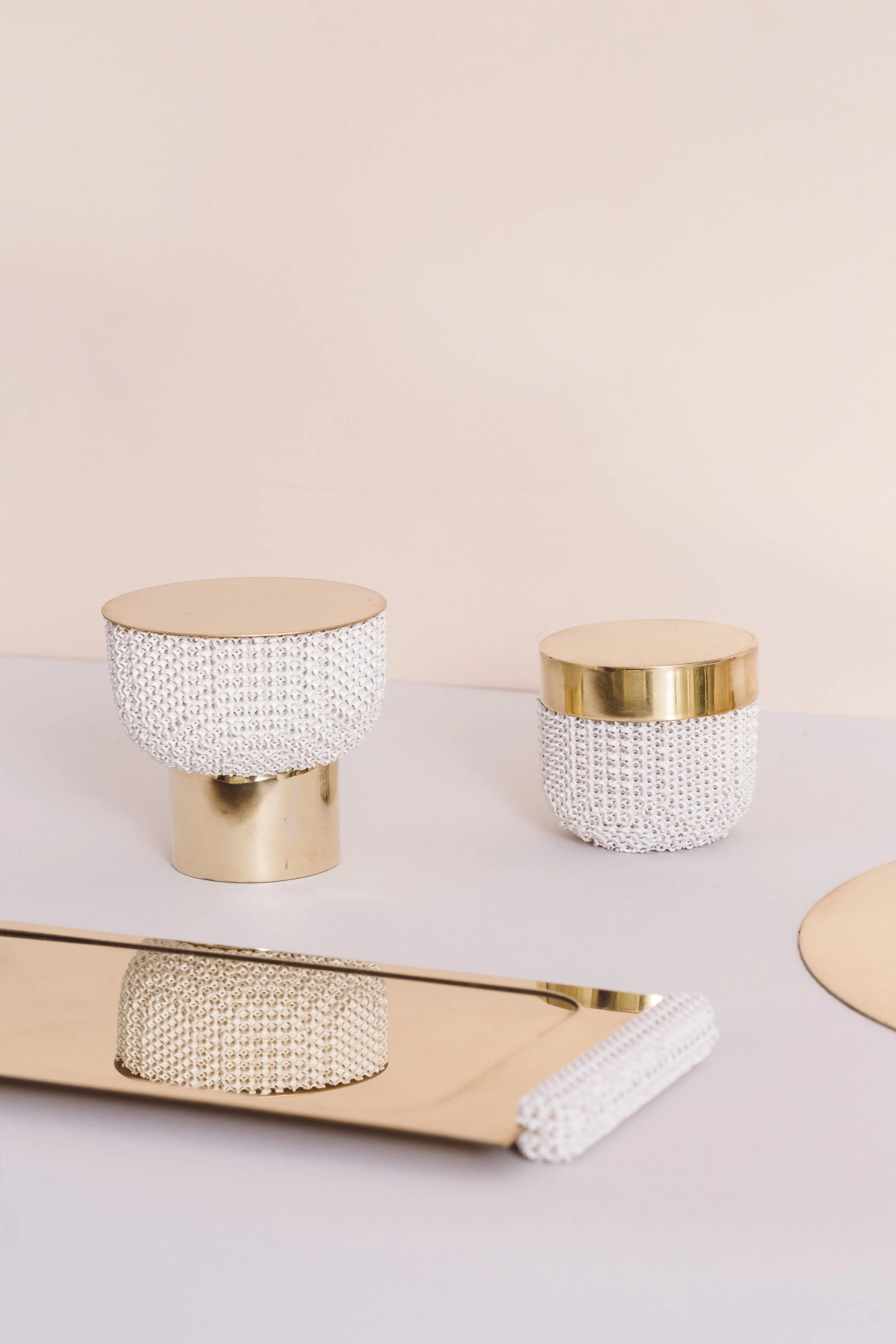
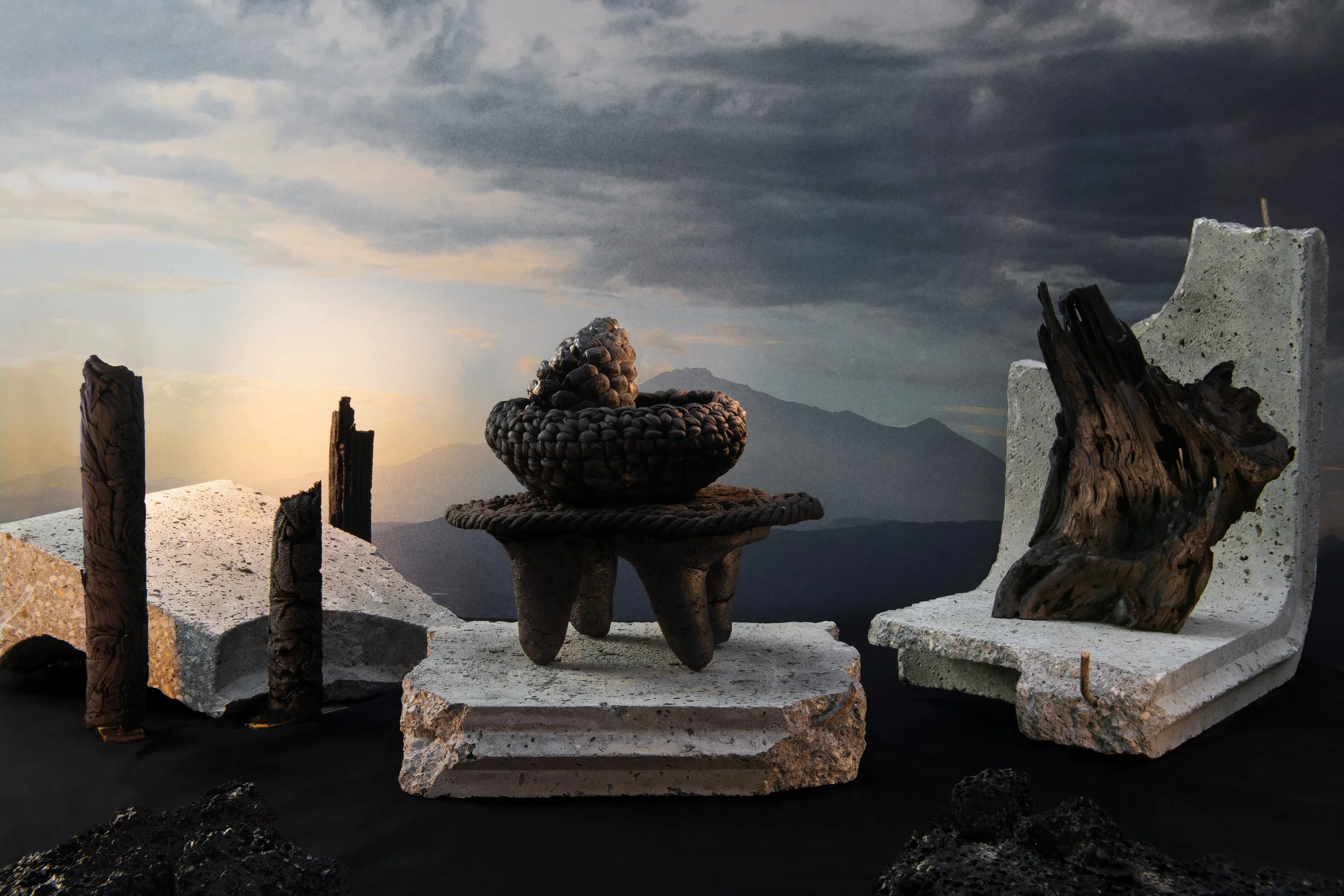
Design research doesn’t necessarily have the fabrication of consumer products as a goal. Yet, pushing the exploration of materials, techniques and manufacturing methods down to objects allows to explore the potential applications and ecologies they generate. Prototypes become intermediary objects for discussion and sharing.