COMMON energy is the result of a field workshop in Togo, creating kite windmills out of electronic and plastic waste.
1
In search of the concrete effects of the ecological crisis and the places where waste ends up, Martin De Bie and Emile De Visscher were invited to the Woelab in Lomé.
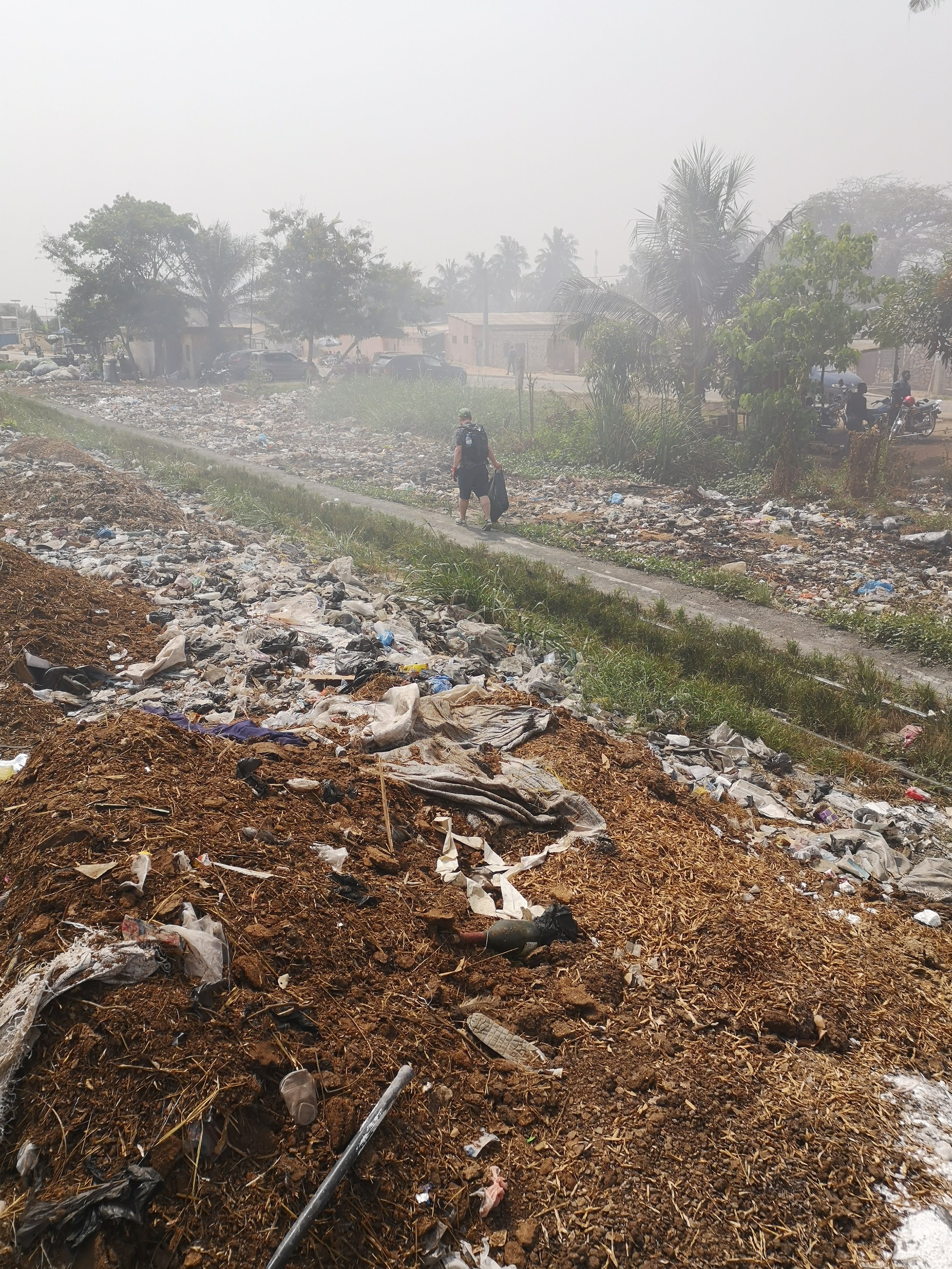
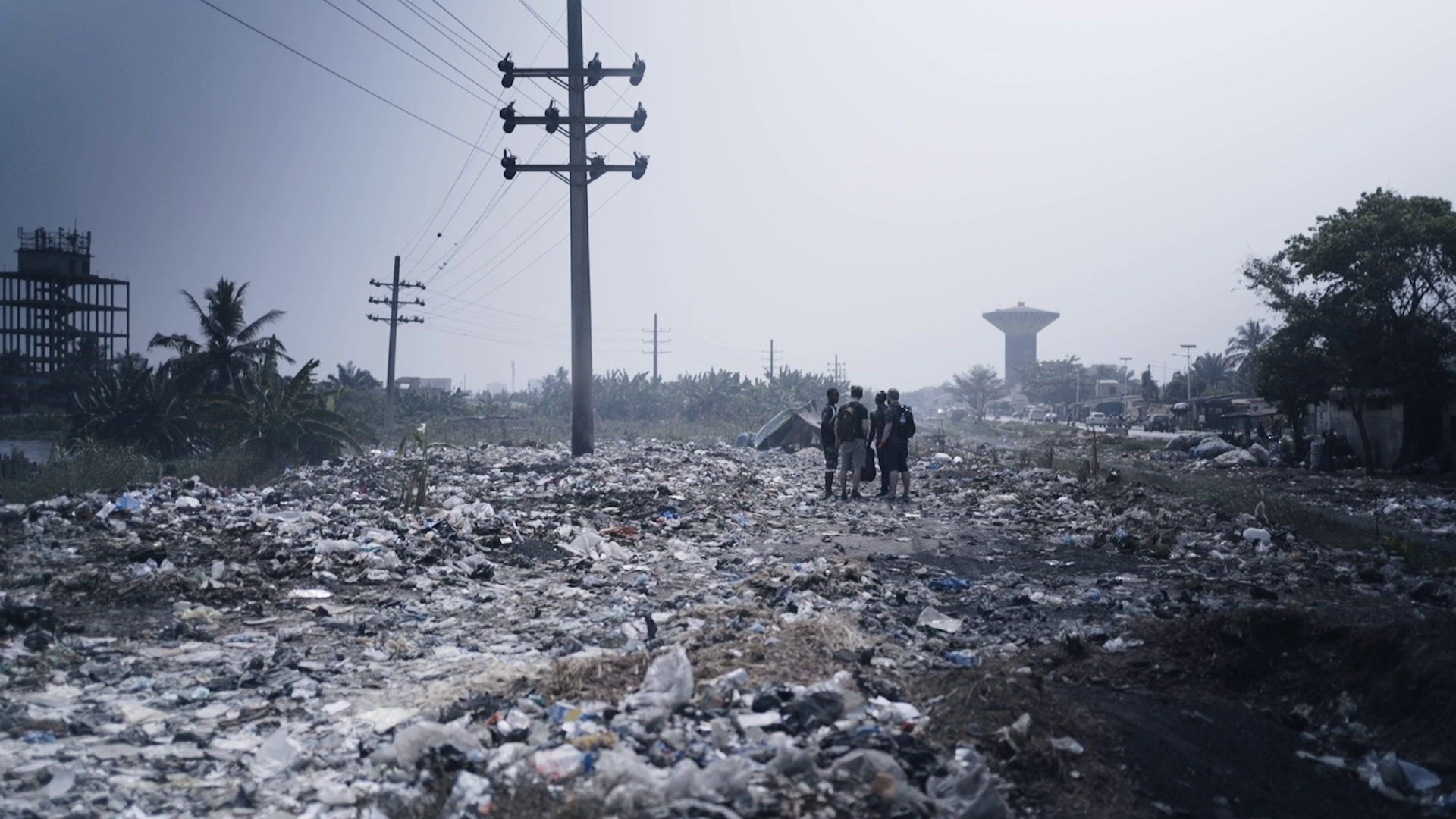
This West African city is key to global trade because it has the only deep-water port in the region. It is therefore here that many industrial rebus arrives, which Western countries resell rather than treat - making waste dumps in Togo and Ghana among the largest in the world. The demography of the region and the rapid growth of all the coastline cities (Lome, but also Accra, Cotonou or Lagos) is about to create the most populated megacities of the world in the years to come, raising major concerns and challenges.
2
3
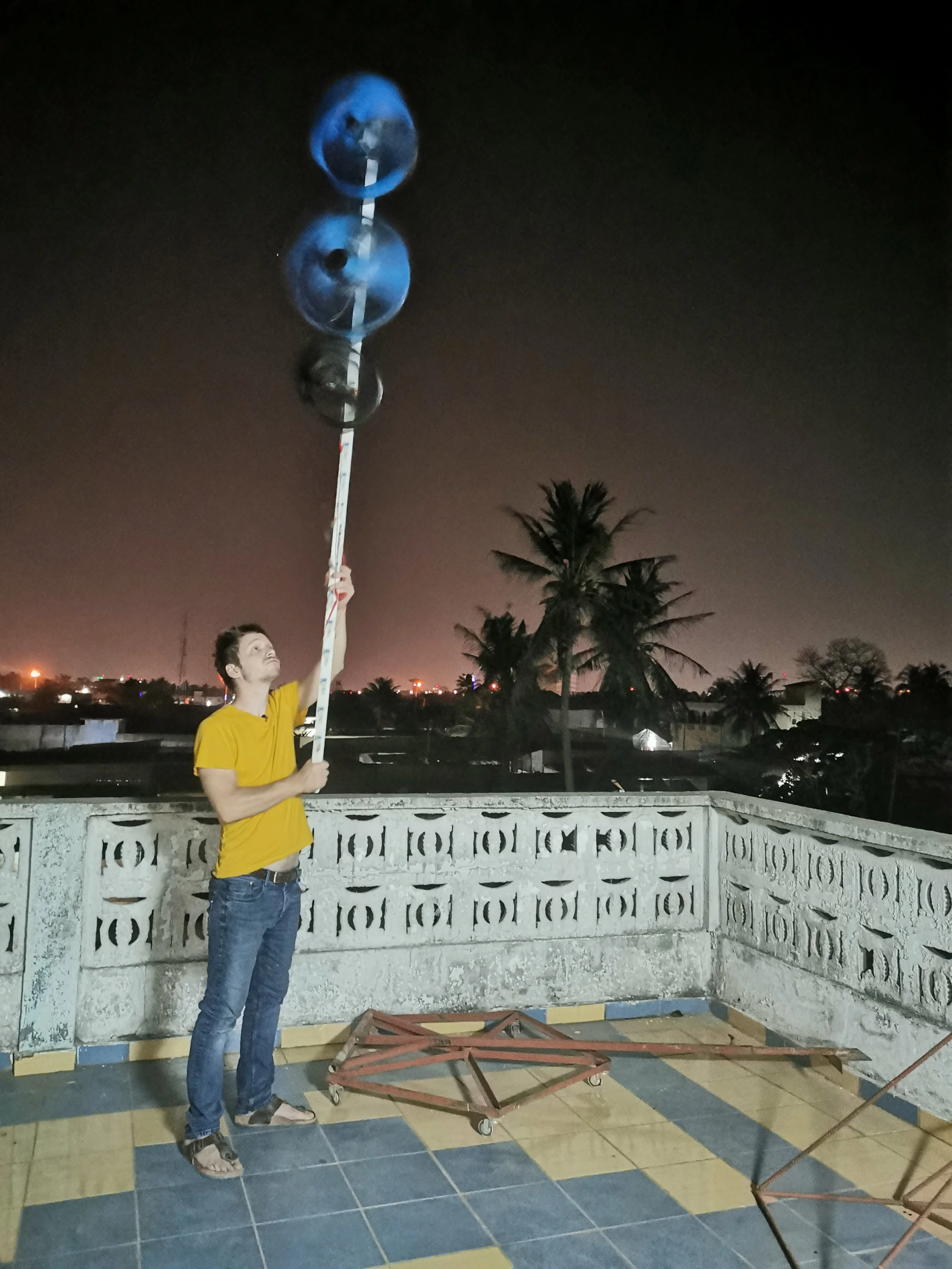
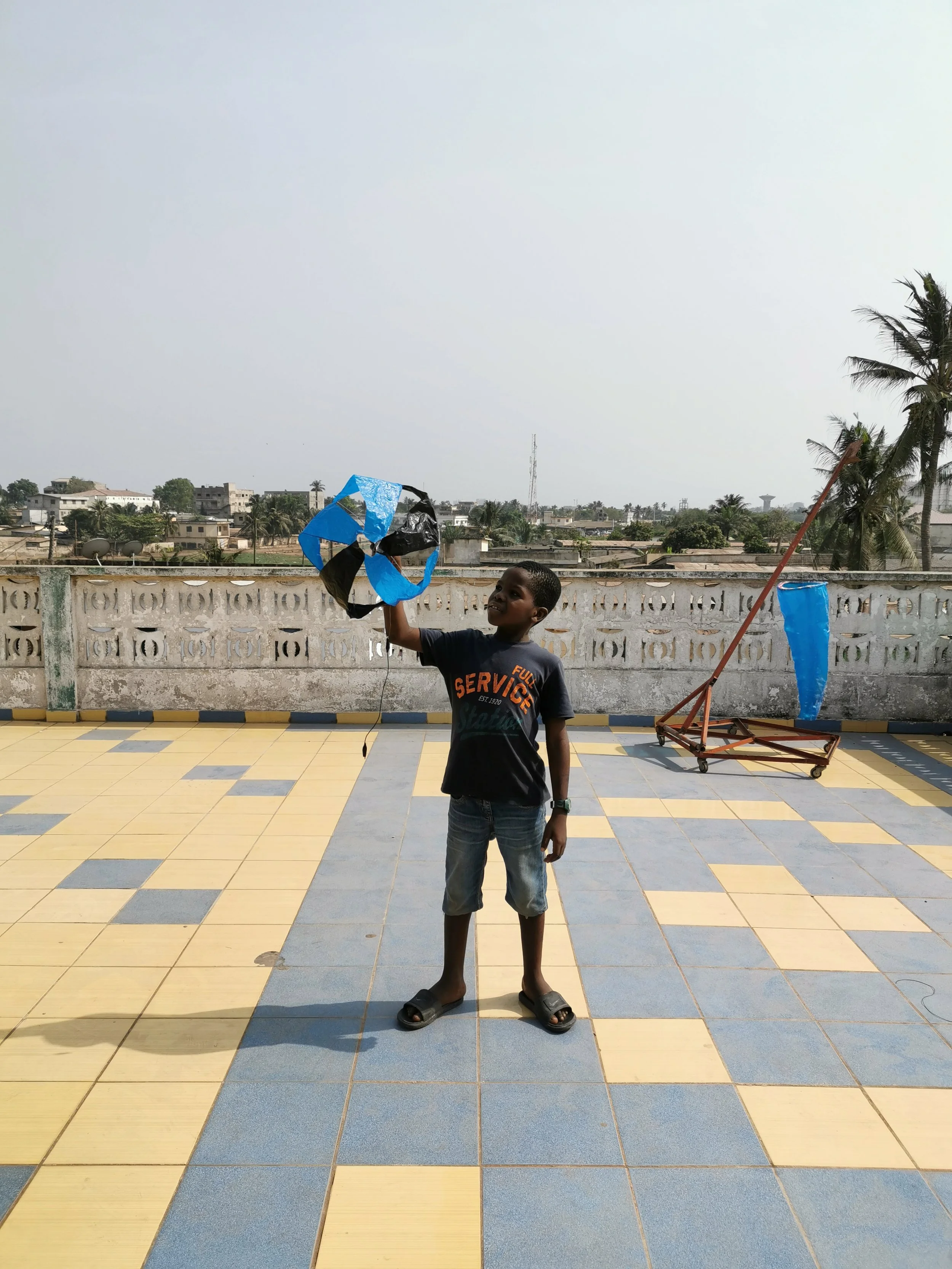
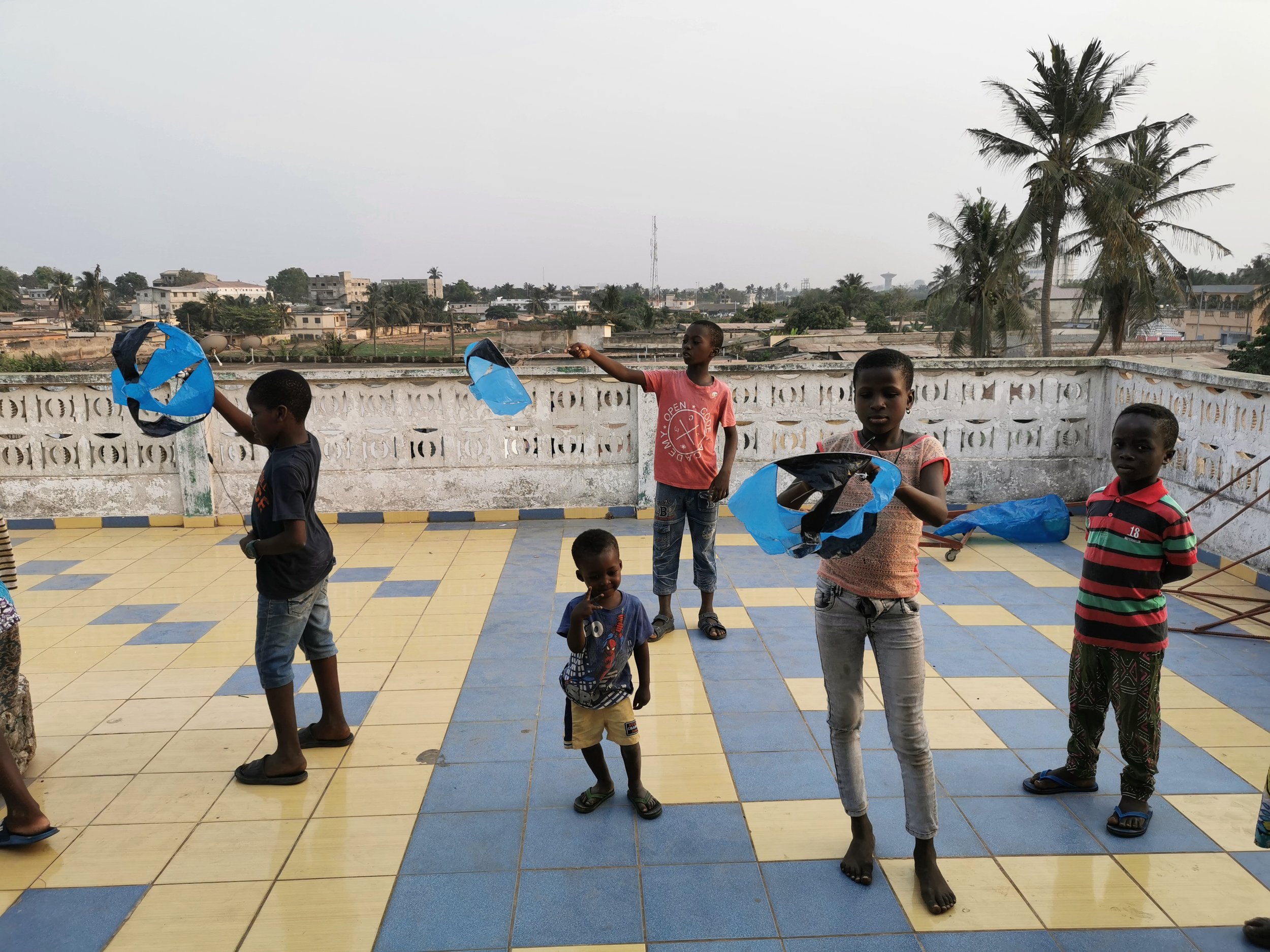
Meanwhile, the Woelab initiative, launched by the architect and designer Sename Koffi, goes far beyond a simple Fablab. It seeks to imagine the future of the African smart city, where public services, urban agriculture, and neighborhood mutual aid can be invented. Electricity access and stability is one of the key domain investigated by the FabLab, as it supports many other activities of the city. It is in this context that the two guest designers investigated the different waste sources in presence and proposed a workshop on the design and manufacture of wind turbines made from plastic and electronic waste.
2020, Lome, Togo
Project conducted with Martin De Bie, founder of DataPaulette and teacher at ENSAD.
Supported by Matters of Activity EXC, Humboldy University Berlin, and AGORA research prize, France.
Following an invitation from the Woelab, fablab of Lomé, and its director, Sénamé Koffi.
4
5
6
1 _ Emile De Visscher and Martin de Bie, Energies Communes, 2020. Supported by Agora Prize for Design and the EXC Matters Of Activity, Humboldt Universität zu Berlin. Movie filmed, edited and produced by Lucile Prin, image credits to Lucile Prin.
2 _ Emile De Visscher and Martin de Bie, Collection of waste in Lomé’s city, Martin de Bie and Emile De Visscher, 2020. Image credits : Lucile Prin.
3 _ Emile De Visscher and Martin de Bie, Discussion with local collectors and habitants, Lomé, Togo, 2020. Image credits : Lucile Prin.
4 _ Emile De Visscher and Martin de Bie, First tests of wind turbines, WoeLab, 2020. Image credits : Martin de Bie.
5 _ Emile De Visscher and Martin de Bie, workshop with the kids of the Woelab community, producing wind turbines out of waste, 2020. Image credits: Lucile Prin.
6 _ Emile De Visscher and Martin de Bie, workshop with the kids of the Woelab community, producing wind turbines out of waste, 2020. Image credits: Lucile Prin.